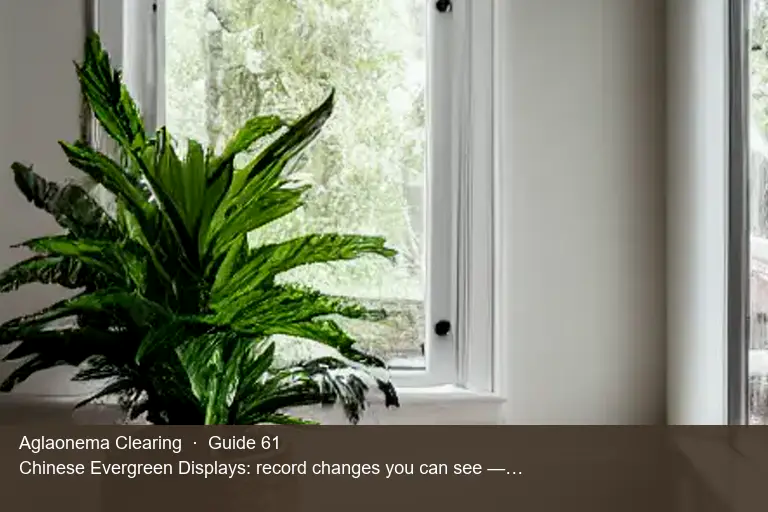
Chinese Evergreen Displays: record changes you can see — revision plan for a first plant setup; setup after a break
When setting up your first Chinese evergreen display, pay close attention to how the plant adapts over time. After a break, you’ll notice subtle shifts in color and texture as the leaves adjust to new conditions. The foliage may darken slightly or develop a more vibrant green, reflecting improved health. Keep an eye on any yellowing edges or drooping stems—these are early signs of stress. Adjust watering schedules if needed, ensuring the soil stays evenly moist but not soggy. This period is also ideal for repotting if the container is too small or the roots are compacted. As you observe these changes, take notes on what works and what doesn’t, so you can refine your approach.
During this revision phase, consider rotating the plant to ensure even light exposure. Chinese evergreens thrive in bright, indirect sunlight, so a gentle move can prevent scorching. If you’re planning a display for a specific setting—like a living room or office—think about how the plant will interact with its surroundings. A well-placed evergreen can add life and texture without overwhelming the space. Remember, consistency in care during this transition period is key to maintaining its beauty.
By the end of this break, you’ll have a clearer picture of your plant’s needs and preferences. Use this time to adjust your routine and set realistic expectations for growth. This reflection will strengthen your confidence when reintroducing the plant into its display. Stay attentive, and you’ll soon see the positive changes unfold naturally.