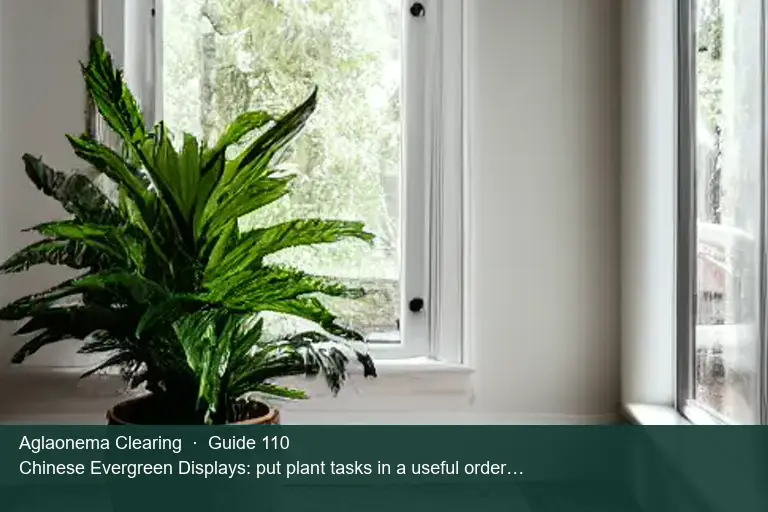
Chinese Evergreen Displays: put plant tasks in a useful order — consistency test for existing containers; setup after a break
Chinese evergreen displays are a popular choice for indoor plants that require minimal watering and minimal maintenance. However, many gardeners find themselves in a tricky situation where they have to choose between keeping their plants alive, or keeping them healthy and productive. This is where a consistent order for Chinese evergreen displays comes in handy. It's about putting the plant tasks in a useful order that can help maintain their health and growth. This article will guide you through the steps to put the plant tasks in a useful order for Chinese evergreen displays.
Step 1: Determine the number of plants The first step is to decide how many plants you want to display. This could be a small display for a few plants or a large display for a few plants. The number of plants will determine how many containers you need, so be sure you have enough room for the plants.
Step 2: Select a container Once you have decided on the number of plants, it's time to select a container. A pot is the most basic container that you can use. However, you can also use a terrarium, a trellis, or a hanging plant to suit your needs. The type of container you choose will depend on the number of plants you have and the size of your display.
Step 3: Choose a soil mix The next step is to choose a soil mix for your plants. A mix that is rich in organic matter and contains good drainage is ideal. You can also choose a mix that is specifically designed for indoor plants, as these plants are less likely to need frequent watering.
Step 4: Select plants The last step is to select plants for your display. You can choose from a variety of plants, such as philodendus, orchids, and chrysanthemums. You can also choose from plants that require less care, such as poinsettias and geraniums.
Putting the plant tasks in a useful order is essential for maintaining the health and growth of Chinese evergreen displays. By following these steps, you can help ensure that your plants are healthy and thriving. Remember to replace the soil every few months, depending on the type of soil mix you have chosen. This will help prevent the soil from becoming too dense, which can lead to root rot. Additionally, you should water your plants when they are fully dry, and avoid over-watering, which can cause root rot. By following these tips, you can keep your Chinese evergreen display healthy and thriving, and enjoy the beauty of your plants for many years to come.