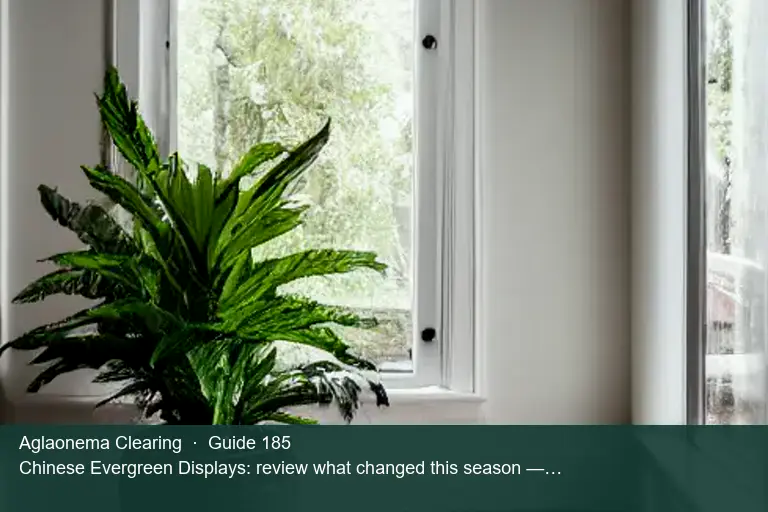
Chinese Evergreen Displays: review what changed this season — staged rollout for shared plant care; setup after a break
Evergreen displays have become increasingly popular as they not only beautify indoor spaces but also serve as a way to share plant care. This season, a shared plant care rollout was a strategic move to facilitate shared plant care among residents, creating an atmosphere of shared responsibility and care. The setup after a break, however, was crucial for maintaining the shared care and creating a seamless transition. This article aims to review what changed this season for Chinese evergreen displays, focusing on the shared plant care rollout and the post-break setup.
Evergreen displays are designed to provide a calming, soothing, and natural environment for residents. They are usually small, compact, and come in a variety of sizes and shapes, each with its own unique aesthetic and benefits. The shared plant care rollout was a practical and effective strategy. This rollout allowed residents to share a common care plan, which was particularly beneficial during a break, as it provided a way for residents to continue their care without the need for each person to take care of their own plant. This shared care plan allowed for a more efficient and effective use of shared resources such as space and time, and also fostered a sense of community and shared responsibility.
The setup after a break was also crucial for maintaining the shared care and creating a seamless transition. This step involved creating a plan for how to share care, which could include creating a shared care plan, a shared care schedule, and a shared care plan for each person involved. This plan included a detailed breakdown of the tasks each person would need to perform, the resources they would need, and the responsibilities they would have. This helped residents understand what they were responsible for and how to share their care plan. The setup also included a plan for how to share the care, which included assigning tasks, setting a schedule, and creating a plan for each person involved. This allowed for a seamless transition and helped residents feel more in control of their care plans and responsibilities.
In conclusion, the shared plant care rollout and post-break setup for Chinese evergreen displays are essential strategies for maintaining shared care and creating a seamless transition. These strategies have proven effective and have helped to create a more efficient and effective use of shared resources, fostering a sense of community and shared responsibility.