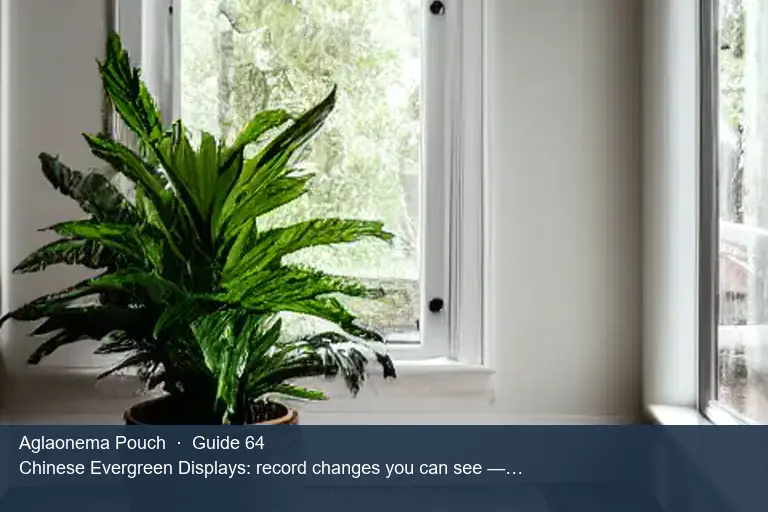
Chinese Evergreen Displays: record changes you can see — change log for a compact growing area; setup in fifteen-minute sessions
When working with Chinese evergreen in a compact space, it’s important to track subtle shifts over time. In fifteen-minute sessions, you’ll notice slight variations in leaf color and texture—sometimes the leaves take on a deeper green or show minor yellowing if conditions aren’t optimal. Pay close attention to how the plant responds to light changes; even small adjustments can influence its growth pattern. Keep a simple journal to note any differences in size, shape, or blooming cycles. This practice helps you spot trends early and make informed decisions without overcomplicating things.
During these short sessions, observe the soil moisture levels closely. Over time, you might see changes in drainage or root health, which are critical for maintaining a thriving display. If you notice the plant leaning toward one side or showing signs of stress, it’s a signal to reassess placement or watering habits. These small cues can guide you toward better care without requiring extensive time or resources.
By focusing on consistent observation during these brief intervals, you build a clearer picture of your Chinese evergreen’s needs. This approach not only saves effort but also enhances the visual appeal of your display. Remember to stay patient—consistent tracking leads to meaningful results over time.