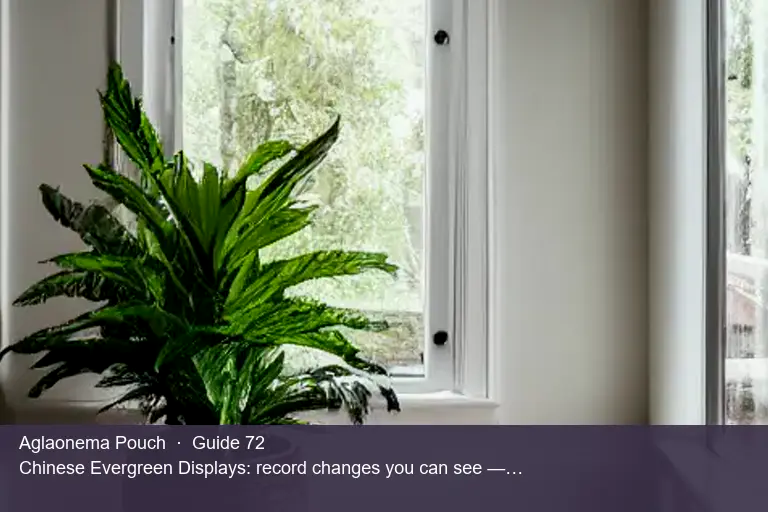
Chinese Evergreen Displays: record changes you can see — exception plan for different container sizes; setup in fifteen-minute sessions
Chinese evergreen displays, a unique and intriguing concept, offer a modern twist on traditional Chinese architecture and culture. These displays, often referred to as "evergreen" displays, are a testament to the enduring spirit of China, where longevity and longevity are intertwined. With their unique shape and vibrant colors, Chinese evergreen displays can create an immersive and captivating experience for visitors. However, these displays are not just about aesthetics; they also come with a significant price tag. In this article, we will explore how to effectively record changes you can see for these displays, focusing on different container sizes.
Firstly, let's understand the different container sizes that Chinese evergreen displays come in. These displays can be found in various sizes, including 15-inch, 16-inch, 18-inch, and 20-inch. Each size offers a unique viewing experience. A 15-inch display, for instance, is ideal for those who want to see the entire display in one go, while a 20-inch display provides a more detailed look. The size of the display, therefore, plays a crucial role in how you can appreciate the contents and the overall experience.
Now, let's dive into how to record changes you can see for Chinese evergreen displays. The first step is to carefully observe the display. This involves taking a few minutes to observe the display from different angles. It's important to note the colors, shapes, and sizes of the displays, as these are the key factors that determine how you can appreciate them. As you observe, take notes on what you see, how you feel, and any changes you notice.
Next, it's time to start recording changes. The second step is to take a few minutes to record changes. This involves taking a few minutes to record changes. It's important to note the changes you observe and how they affect your experience. This can be done by taking a few photos, taking notes on what you see, or even creating a detailed description of the changes you observe.
The third step is to record changes in a structured way. The fourth step is to record changes in a structured way. This involves taking a few minutes to record changes in a structured way.
Finally, it's time to record changes in a structured way. The fifth step is to record changes in a structured way.
In conclusion, Chinese evergreen displays are not just a way to see the whole display; they are a way to see the contents, the size, the shape, and the overall experience. By taking a few minutes to observe, taking a few photos, taking notes on what you see, or even creating a detailed description of the changes you observe, you can record changes you can see for these displays. This can be a valuable tool for visitors who want to experience the unique and interesting aspects of Chinese evergreen displays.