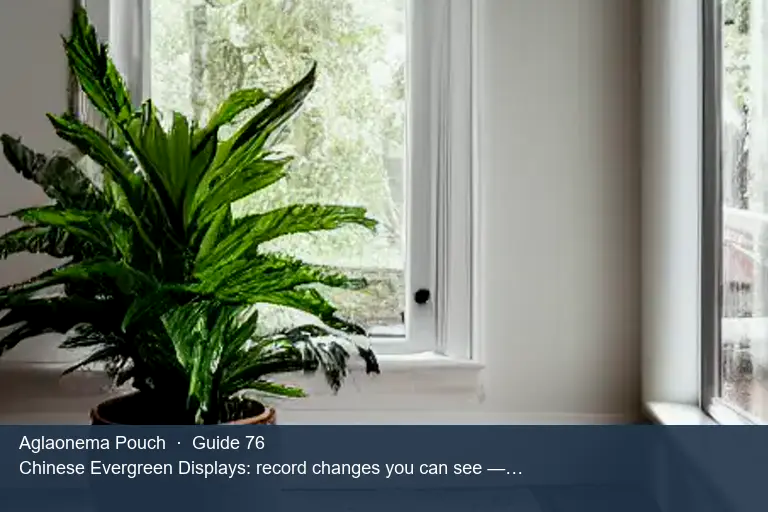
Chinese Evergreen Displays: record changes you can see — decision tree for seasonal changes; setup in fifteen-minute sessions
When observing Chinese evergreen displays, pay close attention to subtle shifts in color and texture throughout the seasons. In spring, you’ll notice a gentle bloom of new growth and a softening of the leaves, signaling renewal. As summer approaches, the plant may show more vibrant green hues, though occasional yellowing can appear if humidity drops. By autumn, the leaves often turn deeper shades, and the overall appearance becomes more muted but still striking. In winter, many varieties retain their color longer, offering a calm, elegant presence.
To capture these changes effectively, set aside fifteen minutes each session to inspect your display. Look for variations in leaf texture, color intensity, and any signs of stress such as browning or wilting. This brief pause helps you notice trends without disrupting the plant’s rhythm. Keep a simple journal or note your observations—this builds a personal record that becomes valuable over time.
Remember, consistency in these short sessions allows you to track subtle shifts that might otherwise go unnoticed. By focusing on seasonal cues, you not only appreciate the beauty of Chinese evergreens but also develop a deeper connection to their natural cycles. This practice is especially rewarding for those who enjoy mindful observation and gentle care.