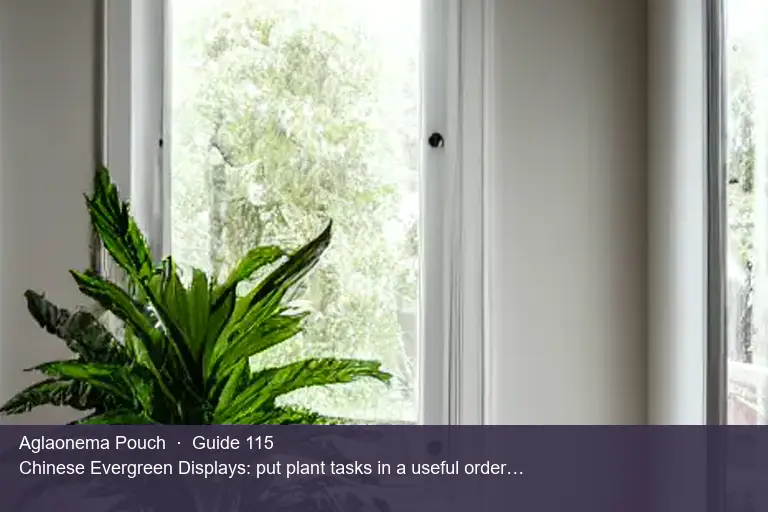
Chinese Evergreen Displays: put plant tasks in a useful order — handover notes for seasonal changes; setup in fifteen-minute sessions
When managing Chinese evergreen displays during seasonal shifts, it’s important to structure your approach thoughtfully. Begin by assessing the current condition of the plants—check for any signs of stress or discoloration that might require immediate attention. In fifteen-minute sessions, focus on quick adjustments such as trimming any overgrown foliage or rearranging the arrangement to improve air circulation. This brief timeframe helps maintain visual appeal while addressing practical needs without overwhelming your schedule.
Next, consider the lighting conditions in your space. Chinese evergreens thrive in bright, indirect light, so ensure that any changes you make align with their natural preferences. If you’re handling the plants during a transition period, such as moving them from a darker corner to a sunnier spot, do so gradually to avoid shock. This methodical approach not only supports plant health but also keeps your routine manageable.
Finally, take a moment to document any changes you make. Keeping a simple note of adjustments—like pruning dates or light exposure shifts—can be incredibly useful for future reference. By integrating these small, intentional steps into your fifteen-minute sessions, you’ll keep your displays vibrant and well-maintained throughout the seasons.